Free Resources to Learn Personal Finance in 2026
Learning to manage money is one of the most valuable skills you can build, and the good news is that you don’t need a paid course or a financial advisor to get started. Government agencies, universities, nonprofits, and online platforms now publish free personal finance education that covers everything from basic budgeting to investing fundamentals. This article collects the best free resources you can use this year to build your money skills on your own schedule.
Government and Nonprofit Resources You Can Trust
Government agencies offer some of the most reliable free material because their content is designed for public education rather than product sales. These resources are often created for educators, bankers, and consumers, making them useful for self-learners and educators alike. The following organizations provide high-quality financial education at no cost.
MyMoney.gov
MyMoney.gov is run by a government agency and covers a wide variety of money topics. It was highlighted in CNBC reporting as a strong free resource for people who want to learn how to manage their money. The site organizes information so you can find guidance that matches your current situation, such as saving, borrowing, or planning for major expenses. It works well as a reference you can return to whenever a new money question comes up.
Federal Reserve Education (FRE.org)
Federal Reserve Education is a free platform with economics and personal finance resources for classrooms and communities. It equips K-12, college, and community educators with ready-to-use tools for building lifelong financial security. Even if you are not a teacher, the platform’s lesson-style content is clear enough for independent learners who want a structured introduction to money topics. The material is especially helpful for understanding how economic conditions connect to personal money decisions.
Federal Reserve Bank of New York Economic Education
The Federal Reserve Bank of New York offers free economic and personal finance resources for educators, bankers, and consumers. These materials are listed in the Financial Literacy Resource Directory and cover both broad economic concepts and everyday money topics. The content is particularly strong for people who want to understand how the wider economy influences household budgets, interest rates, and long-term financial plans.
Consumer Financial Protection Bureau Tools
The Consumer Financial Protection Bureau provides adult financial education tools and resources, including worksheets, handouts, and training webinars. These materials are organized by topic and by audience, so you can filter for the subjects that matter most to you. The bureau’s tools are practical and action-oriented, which makes them useful for applying what you learn directly to your own budget and financial habits.
OCC Financial Literacy Resource Directory
The Office of the Comptroller of the Currency, or OCC, maintains a Financial Literacy Resource Directory that points you to financial literacy programs and materials from a range of sources. It is a smart starting point when you want to discover additional free resources beyond the well-known platforms. Because the directory is reviewed and maintained by a government agency, you can feel confident that the listed programs meet a basic standard of quality.
Free Online Courses from Major Learning Platforms
If you prefer a structured class experience, several major online learning platforms offer free personal finance courses. Many of these courses are self-paced and beginner-friendly, which means you can move through the material at your own speed without pressure. The following options are among the most frequently recommended.
Khan Academy Personal Finance
Khan Academy offers a free Personal Finance course organized into clear units. Unit one welcomes you to personal finance, the second unit covers saving and budgeting, and the third unit focuses on interest and debt, including compound interest. Khan Academy’s free lessons on saving, budgeting, and investing basics are widely used by beginners. The platform combines short video lessons with practice exercises, which helps reinforce each concept before you move on to the next topic.
Coursera Financial Planning for Young Adults
Coursera hosts a free course called Financial Planning for Young Adults. It is listed among free resources for saving and investing and is designed for people who are building financial habits early. The course is self-paced and beginner-friendly, and it covers core planning concepts that remain useful long after the young adult years. This is a good option if you want a university-style course structure with the flexibility to learn around your schedule.
EdX and Udemy Options
EdX and Udemy also host personal finance courses, including options like Personal Finance 101. Courses on these platforms vary in format, but many are self-paced and beginner-friendly, allowing you to learn around work, school, or family responsibilities. Because course catalogs change frequently, it is a good idea to search each platform for current free offerings and check recent reviews before you start.
Stanford Mind Over Money
Stanford’s Mind Over Money program offers free, self-paced learning modules focused on four key areas of personal finance: banking options, insurance, budgeting, and credit cards. The modules are designed to build practical money skills, and the self-paced format lets you spend extra time on the topics you find most challenging. This is a strong option if you want a compact, university-backed introduction to everyday financial decisions.
Skill-Building Tools with Calculators and Videos
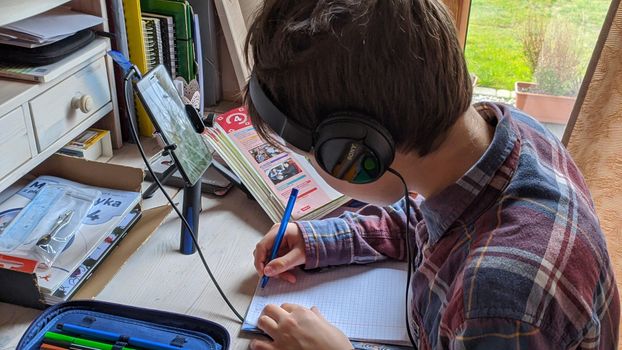
Some learners do best with hands-on tools rather than structured lessons. Practical Money Skills provides free articles, calculators, videos, and resources covering budgeting, saving, banking, credit, debt, and investing. The calculators are especially useful for running your own numbers, such as estimating how much you need to save each month or comparing the real cost of a loan. Pairing these tools with a structured course can speed up your learning because you immediately put each idea into practice.
How to Choose the Right Free Resource for You
With so many free options available, the best resource depends on how you like to learn and what you want to accomplish. Consider the following matches.
- If you want a structured course from start to finish, Khan Academy’s Personal Finance units are a dependable choice because they build from welcome material into saving, budgeting, interest, and debt.
- If you prefer short, practical lessons on specific topics, the Consumer Financial Protection Bureau’s worksheets and training webinars let you target exactly what you need.
- If you are learning so you can teach others, Federal Reserve Education and the Federal Reserve Bank of New York offer educator-focused tools that are ready to use in classrooms and community settings.
- If you want a broad reference you can return to again and again, MyMoney.gov covers a wide variety of topics in one place.
- If you learn best with numbers and visuals, Practical Money Skills offers calculators and videos that bring money concepts to life.
Tips for Teaching Yourself Personal Finance
Teaching yourself personal finance is easier when you have a plan. Start with the basics, build a routine, and use more than one format so the ideas stick.
Begin with saving and budgeting. These two topics form the foundation for every other money skill, and they are covered in depth by Khan Academy, Stanford Mind Over Money, and the Consumer Financial Protection Bureau. Once you are comfortable tracking income and expenses, move on to interest and debt, especially compound interest, because it explains both how savings grow and how debt can multiply over time.
Set a regular learning schedule. Free, self-paced courses are convenient, but they also require self-discipline. A small amount of time each week is often more effective than an occasional long session. Pair your lessons with real practice by using a budgeting calculator or worksheet after you finish each unit.
Use the free tools actively. Reading articles is a useful starting point, but the real learning happens when you apply the ideas to your own money. Fill out the worksheets, run the calculators, and write down your own numbers as you work through the material. The practical exercises are what turn casual reading into lasting financial knowledge.
Finally, verify time-sensitive details. Free resources are updated regularly, but specific program details can change. If a course, tool, or government program has details that matter to your decision, check the official source for the most current information.
Frequently Asked Questions
Where can I learn personal finance for free?
You can learn personal finance for free through government websites like MyMoney.gov, the Consumer Financial Protection Bureau’s adult education tools, and the Federal Reserve Education platform. Online course platforms such as Khan Academy, Coursera, EdX, and Udemy also offer free, self-paced courses. Stanford’s Mind Over Money program provides free learning modules as well. Each option covers budgeting, saving, debt, and investing at beginner-friendly levels.
How do I teach myself personal finance?
Start with a structured free course, such as Khan Academy’s Personal Finance units, and progress through saving, budgeting, interest, and debt in order. Set a regular weekly study time and pair lessons with practical tools like budgeting calculators and worksheets. Use government resources from the Consumer Financial Protection Bureau or MyMoney.gov to fill in gaps, then apply what you learn to your own budget and financial decisions.
Are free personal finance courses as good as paid ones?
Many free personal finance courses are created by respected institutions, including government agencies, universities, and nonprofit organizations. Courses from Khan Academy, Coursera, Stanford, and the Federal Reserve carry strong educational credentials. Free courses are often self-paced and beginner-friendly, which makes them a good match for most learners. The main trade-off is that paid courses sometimes offer certificates, coaching, or more advanced material, which you may not need as a beginner.
The best time to start is now. Free personal finance education from trusted institutions can give you the budgeting, saving, and investing skills you need without adding financial pressure. Choose one resource from this list, set aside a small block of time this week, and begin building your money knowledge at your own pace.
Related personal finance questions
Cite This Article
Copy a citation format below.