Debt Management Basics: How to Reduce Debt and Save Money in 2026
Debt is money that is borrowed and must be repaid. Used carefully, it can help you buy a home, start a business, or cover the cost of education. But when balances pile up, debt can strain your budget and add stress to everyday life. The good news is that your debt is manageable with a clear approach. Many households in 2026 are looking for practical ways to lower what they owe and keep more of their income. This article explains the basics of debt management, the steps you can take to reduce balances, and the habits that help you save money over time.
What Is Debt Management?
Debt management is the process of planning your debt liabilities and repayments. Instead of reacting to bills as they arrive, you create a deliberate plan that maps out what you owe, how much you will pay each month, and how long it will take to become debt-free.
You can handle debt management on your own, or you can work with a third-party negotiator. Many people start with a simple list of balances and due dates. Others choose professional help when debt feels overwhelming or when they need support negotiating with creditors. Both paths share the same objective: organize your obligations, reduce the cost of borrowing, and make steady progress over time.
The same term is also used in government finance, where debt management refers to overseeing debt issuance and cash management. This article focuses on the personal side of debt management for households.
Understand Good Debt vs. Bad Debt
Not all debt is equal, and understanding the categories of debt, such as good versus bad, can help you put a repayment strategy in place. Good debt is typically used for things that hold value or support your long-term financial health, like a home mortgage or an education that improves your earning power. Bad debt usually involves borrowing for items that lose value quickly or for purchases you could not truly afford, such as credit card balances from everyday spending.
Sorting your debts into these two groups is useful because it shows you which balances are worth carrying and which ones are draining your budget. High-interest consumer debt, for example, usually deserves the most attention because it grows quickly and costs more over time.

Step 1: Stop Incurring New Debt
The first step in any effort to reduce debt is to stop adding to it. You cannot make progress if new balances keep replacing the ones you pay off. This step calls for an honest review of your spending habits. If credit cards are covering purchases beyond your income, pause non-essential spending while you work through existing balances. Look for categories in your budget where you can trim costs, and avoid financing items that can wait.
Stopping new debt does not mean cutting off all borrowing. It means making sure that any new debt is intentional and fits within your budget. For a small business, the same rule applies: avoid over-borrowing and take on debt only when it supports a clear purpose.
Step 2: Make Debt Repayment a Priority
Once new debt is under control, focus on paying down what you already owe. This starts with making repayment a clear priority in your monthly budget. A practical way to begin is to list your debts from smallest to largest amount. Many people find it motivating to knock out smaller balances first. Each account you close frees up money that can be applied to the next balance, creating momentum as you move down the list.
While you work through the list, keep high-interest debt in mind. The longer a high-rate balance remains unpaid, the more it costs. Directing extra payments toward these accounts reduces the total interest you pay and shortens your overall timeline. Budgeting for a specific debt payment each month, rather than relying on whatever is left over, makes this step much easier to follow.
Step 3: Consider a Debt Management Plan
For people juggling several credit card balances, a debt management plan can bring order and structure. A debt management plan groups several credit card debts into one payment, cuts your interest rate, and creates a three- to five-year repayment schedule. This structure simplifies your finances. Instead of tracking multiple due dates and minimum payments, you make one payment that is distributed across your accounts. A lower interest rate means more of every payment goes toward the balance rather than toward finance charges.
A related option is a debt management program (DMP). A DMP is a structured plan to repay unsecured debts, which are also called non-priority debts. These programs are usually offered through a nonprofit organization and work best when you have steady income and are committed to completing the plan. Before enrolling, understand how the plan affects your accounts, your budget, and your credit. A debt management plan is a multi-year commitment, so it should fit comfortably with your other financial goals.
Explore Consolidation and Other Repayment Tools
A formal debt management plan is not the only way to reduce what you owe. Common strategies range from budgeting and prioritizing high-interest debt to exploring consolidation options. Consolidation can simplify your payments and may reduce your interest rate, but it only helps if you avoid building new balances on the accounts you just combined.
Pairing consolidation with a realistic budget gives you the best chance of lasting success. The right mix of tools depends on your income, your total balances, and how much you can direct toward debt each month. Start with the approach you can sustain, and adjust it as your situation improves.
Borrow Wisely After You Reduce Debt
Once your debt is under control, the next goal is keeping it that way. Smart borrowing habits protect the progress you have made. Borrow only what you can afford to repay. Before taking out a loan, review your budget and confirm that the monthly payment fits without straining other essentials. Avoid over-borrowing, even when a lender offers you more than you asked for. Understand your loan terms and conditions, including the interest rate, repayment period, and any fees, before you sign.
This guidance applies to businesses as well. While taking on debt may feel uncomfortable, it is often necessary for businesses to grow, invest in new opportunities, or weather unforeseen circumstances. The key to successful debt management is understanding how to use loans and credit wisely, whether you manage personal finances or run a company.

How Debt Management Helps You Save Money
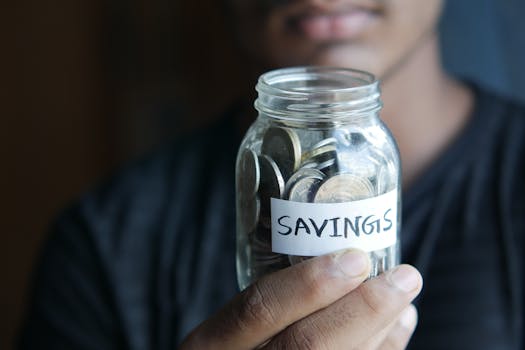
The link between debt management and saving is straightforward. Every payment you make toward interest and fees is money that could be going into a savings account instead. A well-structured plan can cut your interest rate, which reduces the amount of money lost to finance charges. One consolidated payment can help you avoid late fees and missed due dates. A clear schedule also gives you a finish line, so you know when the funds currently going to debt can be redirected to savings and other goals.
Over the life of a three- to five-year repayment plan, those savings add up. The habits you build along the way, such as budgeting and avoiding over-borrowing, continue to support your finances well after the last payment is made.
Frequently Asked Questions
What is debt management?
Debt management is the process of planning your debt liabilities and repayments. You can do it yourself by creating a budget and repayment schedule, or you can work with a third-party negotiator who handles discussions with creditors on your behalf. The goal is to organize what you owe, reduce the cost of borrowing, and make steady progress toward paying off your balances.
What is the difference between a debt management plan and a debt management program?
A debt management plan groups several credit card debts into one payment, lowers your interest rate, and creates a three- to five-year repayment schedule. A debt management program is a structured plan to repay unsecured, non-priority debts, usually through a nonprofit organization. The two terms are closely related, but the program generally refers to the formal arrangement with an agency.
What is the difference between good debt and bad debt?
Good debt is generally used for things that hold value or help you build future wealth, like a home or an education. Bad debt usually involves borrowing for items that lose value quickly or for spending that exceeds your budget, such as high-interest credit card balances. Understanding these categories helps you choose which debts to prioritize when building a repayment strategy.
Is debt ever a good idea?
Yes, for both individuals and businesses. For businesses, taking on debt is often necessary to grow, invest in new opportunities, or weather unforeseen circumstances. The key is to use debt strategically, borrow only what you can afford to repay, avoid over-borrowing, and understand your loan terms before signing. Used this way, debt becomes a tool rather than a burden.
Related personal finance questions
Cite This Article
Copy a citation format below.